Animal farming—also called livestock farming—is one of the most essential branches of agriculture. It involves raising animals for food, fiber, and various products that support human life. From dairy cows and goats to poultry and fish, animal farming plays a crucial role in global food security and rural livelihoods.
Today, modern technologies are helping transform traditional livestock production into a more efficient, sustainable, and profitable system.
⭐ What Is Animal Farming?
Animal farming refers to the breeding and management of animals such as:
- Cattle
- Buffalo
- Goats
- Sheep
- Poultry
- Fish
- Bees
- Rabbits
These animals provide milk, meat, eggs, wool, leather, honey, and many other valuable products.
🐄 Types of Animal Farming (Pig Farming Removed)
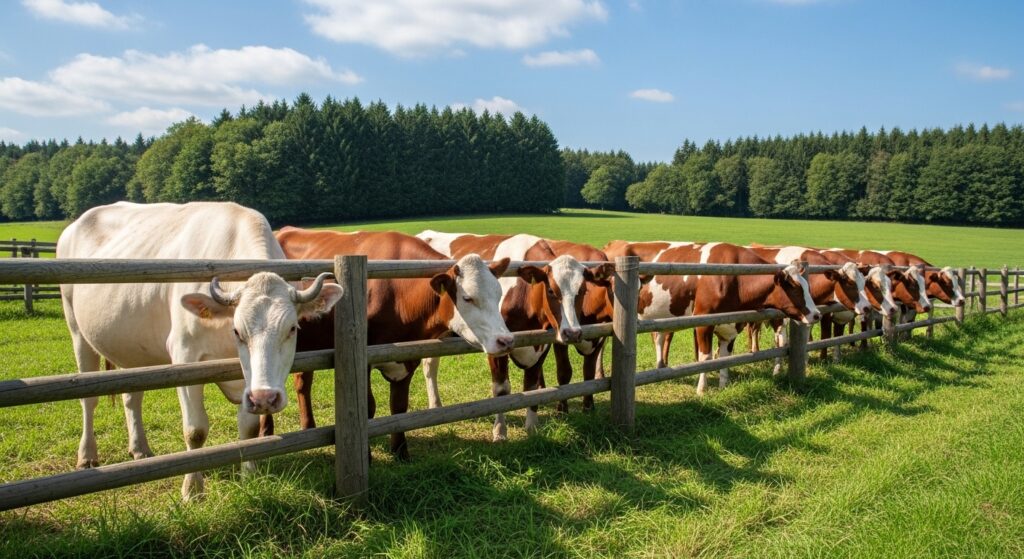
1. Dairy Farming
Raising cows and buffaloes for milk, butter, cheese, yogurt, and other dairy products.
2. Poultry Farming
Raising chickens, ducks, or turkeys for eggs and meat. It is one of the fastest-growing livestock sectors.
3. Goat & Sheep Farming
Useful for:
- Meat
- Milk
- Wool
- Skin
These animals are easy to maintain and can be raised in small spaces.
4. Fish Farming (Aquaculture)
Growing fish, prawns, or shrimp in ponds or tanks. Demand for fish is increasing worldwide.
5. Beekeeping (Apiculture)
Bees produce:
- Honey
- Beeswax
- Royal jelly
Bees also help in crop pollination.
6. Rabbit Farming
Rabbits grow fast, require very little space, and have high-value meat and fur.
🌱 Benefits of Animal Farming
1. Good Income Source
Livestock products are always in demand.
2. Employment for Rural Families
Millions depend on animal husbandry as a livelihood.
3. Improves Soil Fertility
Animal manure enriches farmland with organic nutrients.
4. Supports Nutrition & Food Security
Milk, eggs, meat, and fish provide essential protein and minerals.
5. Multiple By-Products
Farmers can earn from:
- Wool
- Leather
- Horns
- Manure
- Honey
- Fish products
🔧 Modern Animal Farming Practices
✔ Precision Feeding
Balanced, nutrient-rich feed for better productivity.
✔ Genetic Improvement
High-yield and disease-resistant breeds.
✔ Biosecurity
Disease prevention and hygienic management.
✔ Automatic Milking Systems
Increases milk yield and improves efficiency.
✔ Smart Livestock Monitoring
Sensors track:
- Health
- Temperature
- Feed intake
✔ Waste Management
Animal waste can be turned into:
- Organic fertilizer
- Biogas
- Vermicompost
🐓 Challenges in Animal Farming
- Disease outbreaks
- Rising feed prices
- Climate extremes
- Water scarcity
- Lack of training
- Market fluctuations
💡 Future of Animal Farming
Animal farming is moving toward:
- Sustainable livestock systems
- Organic animal farming
- Climate-resilient breeds
- Precision livestock farming (PLF)
- Eco-friendly waste management
- Automation and digital tools