🌱 What Is Buckwheat?
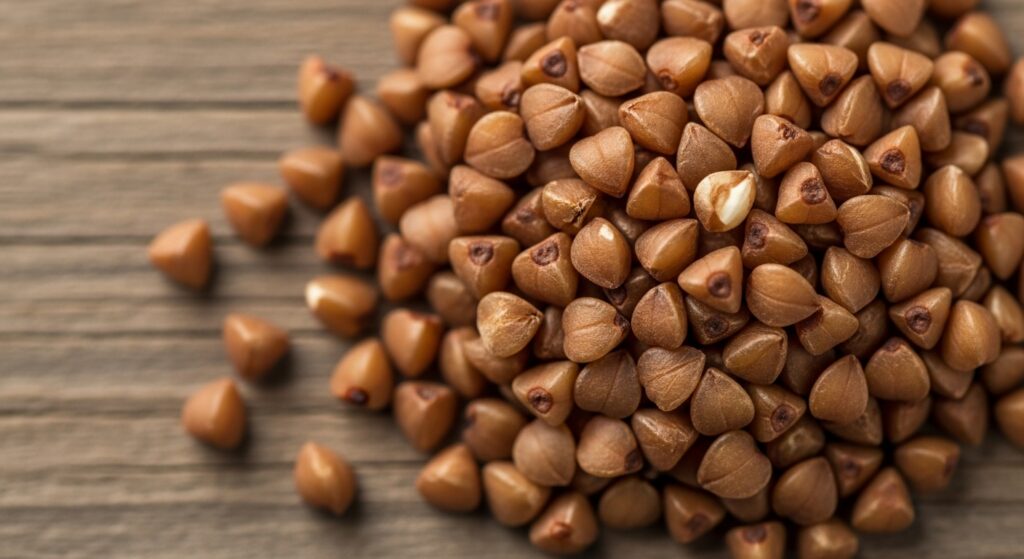
Despite its name, buckwheat isn’t a true grain — it’s a pseudocereal, meaning it’s a seed used like a grain. Grown for centuries in Asia and Europe, buckwheat is now gaining global attention as a superfood crop because it’s gluten-free, rich in protein, and packed with antioxidants.
💡 Why Farmers Are Turning to Buckwheat
- Fast-Growing Crop:
Buckwheat matures in just 10–12 weeks, allowing farmers to grow multiple crops per year or use it as a quick cover crop. - Low Input Costs:
It requires minimal fertilizers or pesticides and grows well in poor soils — a perfect choice for sustainable farming. - High Market Demand:
With the global rise in gluten-free diets, demand for buckwheat flour, noodles, and honey is soaring. - Soil Health Booster:
Buckwheat’s dense roots improve soil structure and prevent erosion. It also suppresses weeds naturally. - Excellent Pollinator Crop:
Its white flowers attract bees, making it ideal for honey production and boosting biodiversity.
🌾 How to Start Buckwheat Farming
1. Climate & Soil:
- Grows best in cool, temperate climates.
- Prefers well-drained loamy or sandy soil with pH 5–7.
2. Sowing:
- Best sown in early summer or post-monsoon.
- Seed rate: 25–35 kg per hectare.
- Direct seeding is most common.
3. Irrigation & Fertilizer:
- Usually rain-fed, requires minimal watering.
- Light organic manure or compost is sufficient.
4. Harvesting:
- Harvest when 75% of seeds turn brown.
- Avoid over-ripening — seeds can shatter easily.
💰 Profitability of Buckwheat Farming
- Yield: 1–1.5 tons per hectare (grain), plus straw for animal feed.
- Market Price: $600–$1,000 per ton (varies by quality and location).
- By-products: Buckwheat flour, noodles, pancake mixes, and honey — all high-value markets.
With low inputs and short cycles, buckwheat can deliver strong returns in a small window, especially for organic or export markets.
🌿 Health Benefits That Drive Market Demand
- 100% gluten-free
- High in protein, fiber, and antioxidants
- Helps regulate blood sugar
- Supports heart and digestive health
Because of these benefits, buckwheat products are booming in health-food stores, bakeries, and export markets.
🌟 Conclusion
Buckwheat farming offers a unique blend of profitability, sustainability, and health benefits. It’s a perfect crop for modern farmers looking to make income while protecting the environment. Whether you’re growing it for grain, honey, or soil improvement, buckwheat is a smart crop with a bright future 🌾✨